
Keep the source close.
Connect figures to source records, methods and review history.

Environmental Intelligence For Industry
Connect operating records, environmental evidence and the decisions ahead. From CCTS and carbon management to complete company-authored reports, customer disclosures and reduction investments.
One connected workspace. AI assistance. Human control.
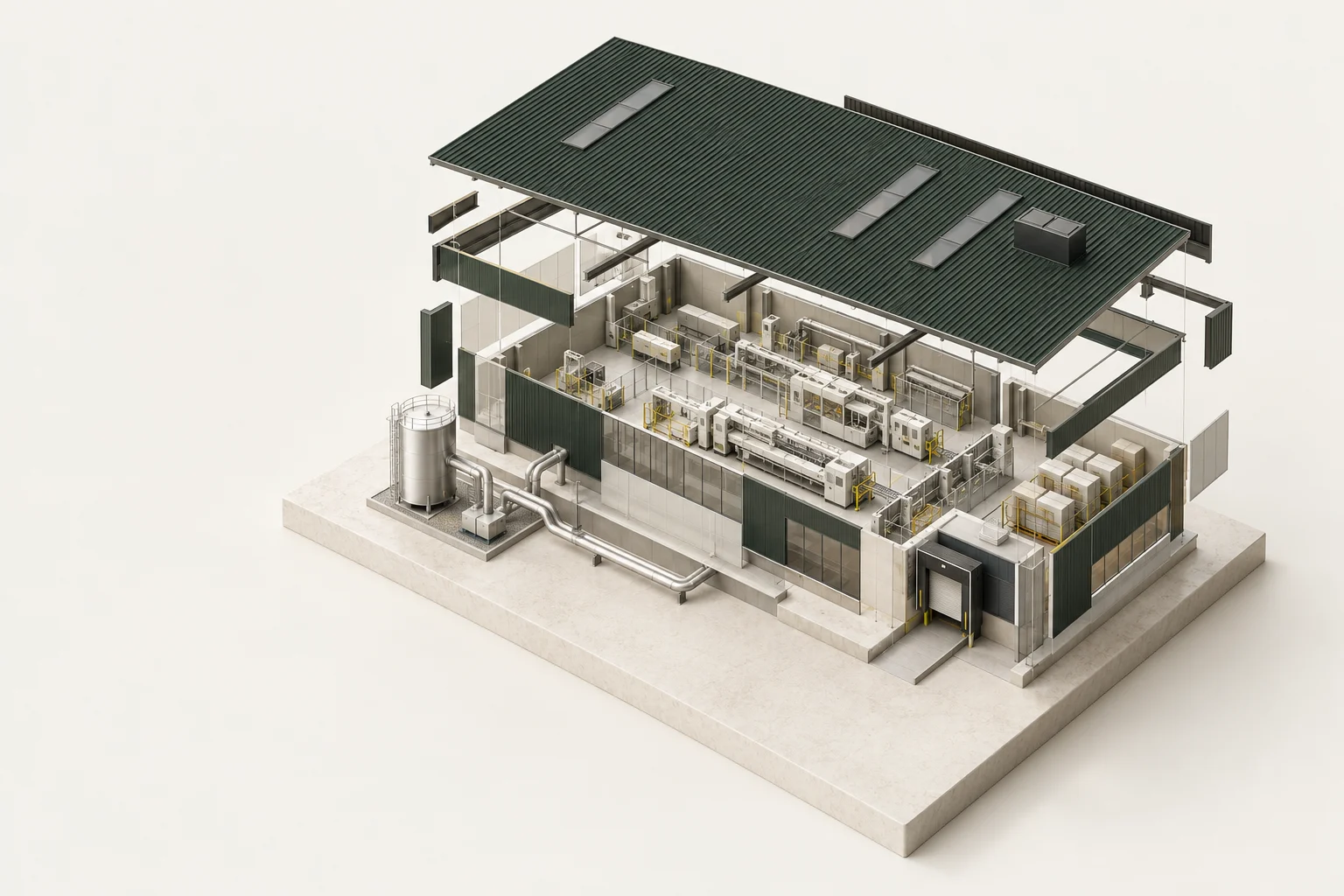 Concept illustration · Choose a record to explore
Electricity statements and fuel records become evidence your team can review, use and explain.
Explore your dataConnect output records to the reporting period, production method and applicable performance calculation.
Explore CCTS operationsBring supplier inputs and purchasing records into supported Scope 3 methods, with estimates clearly identified.
Explore value-chain data01 / The connected platform
A production record. A utility bill. A supplier response. Each tells part of the story. Ecotheta connects the records, reviews and decisions around them.
Build a clearer environmental picture, create the reports your business needs and put reduction options in front of the people who can act.
Documents, activity and supplier inputs.
Review, methods and a traceable source.
Reporting, compliance and reduction.
A closer look
See how a month of grid electricity on a DISCOM bill becomes a reviewed ledger record, and why each use of it keeps its own boundary.
Interactive walkthrough · Synthetic example01–30 April 2026
Extract the quantity, unit and period. Your team checks them before the record is used.
Human review requiredReview establishes the record to use. The relevant calculation still needs its own boundary, method and factors.
An activity input for the supported inventory method.
Supporting evidence within the applicable monitoring boundary.
A reviewed source for supported environmental information.
Shared evidence. Separate reporting rules. Reuse does not make the different calculations or approvals interchangeable.
02 / Your starting point
Different requirements.
A connected way to work.
Operating records, value-chain inputs and a clear view of the gaps.
Create BRSR, statutory environmental reports and branded disclosures; prepare CBAM information and buyer-assessment evidence.
Compare potential emissions reduction, capital and operating impact.
Monitoring, performance, annual reporting and verifier preparation.
Every requirement has its own scope. Explore supported outputs and coverage →
The report is part of the platform.
Your figures. Your management responses. Your brand. Create complete company-authored documents for boardrooms, buyers and applicable Indian reporting requirements.
Prepare selected GRI and ESRS disclosures, CDP climate responses and environmental evidence for EcoVadis assessment. Each purpose keeps its own scope and external review requirements.
Explore reports & disclosures03 / Intelligence inside the work
AI helps prepare records, explore evidence and develop proposals. Your team reviews the work and controls the actions.
Explore AI in your workflow“Prepare the electricity readings for review.”
Quantity, unit and period stay beside the source. Review the extracted fields against the source, including any reported uncertainties.
“Help me understand what still needs review.”
Use AI assistance to explore available evidence and outstanding findings for the selected unit and year.
“Develop reduction options for our review.”
AI-assisted ideas enter a reviewable shortlist. Compare costs and potential abatement before adopting a project.
AI prepares and suggests. Defined methods calculate. Authorised people approve. Feature availability depends on supported data coverage and your configured provider. Examples above are illustrative, not a live assistant.
04 / From evidence to investment
See the potential reduction beside the capital it requires. Build a shortlist your team can take into engineering and financial review.
Choose either or both to compare the illustrative totals.
Numbers to examine.
Decisions to make.
Independent illustrative projects. Actual plans require review of methods, overlap, feasibility and operating assumptions. Estimates do not guarantee savings or certificate revenues.
Explore reduction planning05 / Deep in the work that matters
Our first deployment focus: obligated industrial entities in India. Bring the monitoring record, performance position and annual preparation into one controlled workflow.
Explore CCTS operationsUnit, boundary, target and monitoring methods.
Source evidence, reviewed inputs and performance.
Reporting package, verification preparation and filing records.
Record applicable authority decisions and settlement evidence.
06 / Confidence you can trace
Connect figures to source records, methods and review history.
Give teams the right access and retain explicit review decisions.
Distinguish available evidence, missing inputs and estimates.
Let's connect the work.
A reporting request. A CCTS obligation. A reduction decision. Tell us what your team needs to achieve, and we will walk through the relevant workflow together.
No plant data is needed for the first conversation.
sales@ecotheta.com